
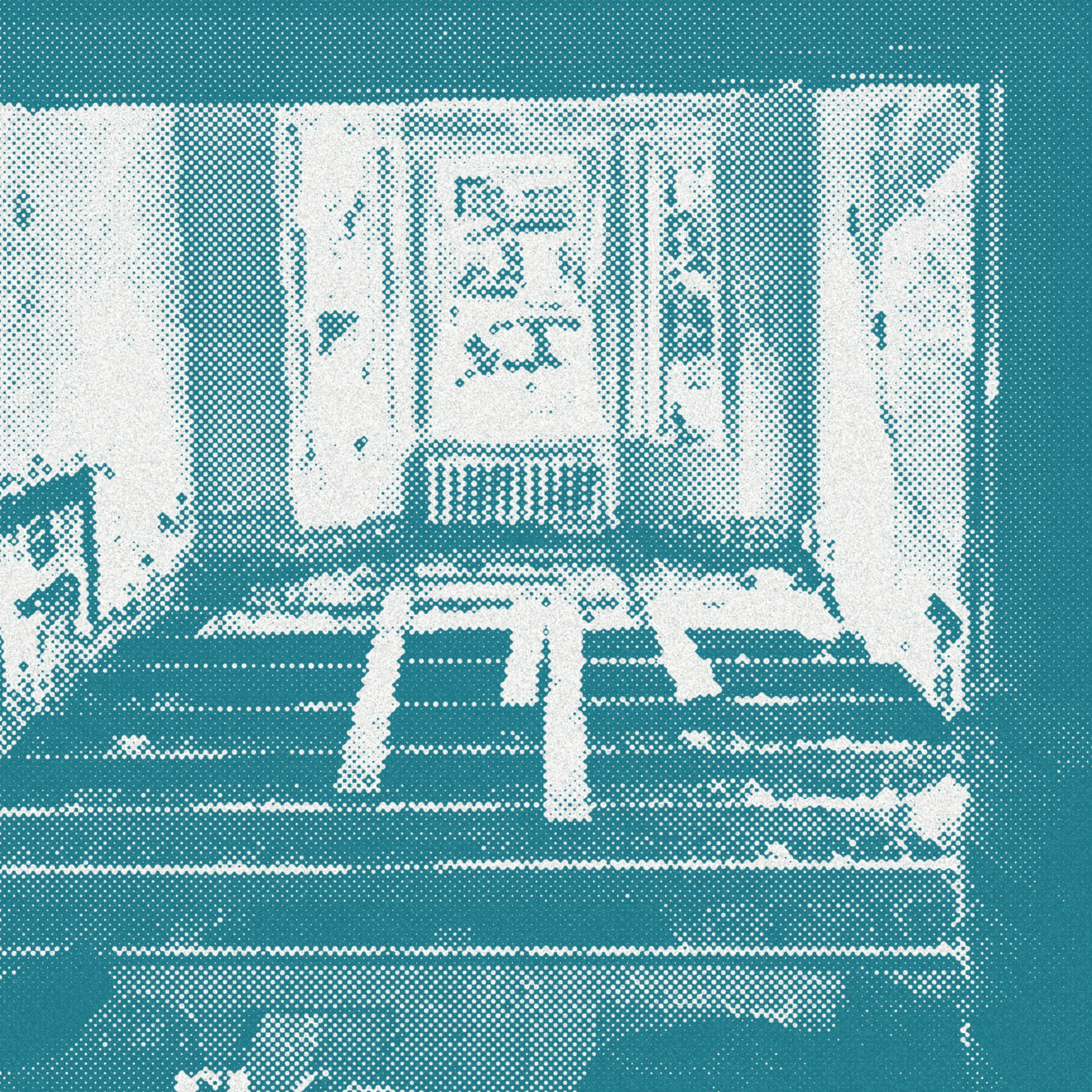
Insulating a suspended floor
How we insulated our early 1900s Victorian style property floor - a comprehensive guide.
Our house dates from the very early 1900s. Technically this makes it Edwardian, but in terms of how it is built it shares many features with late Victorian homes. For simplicity, and because many of the challenges are the same, we refer to it as Victorian style throughout this guide.
Before we get started, we strongly recommend reading up on ventilation in older properties. Adding insulation without understanding how your home breathes can unintentionally create issues such as damp, condensation and mould. Insulation and ventilation must always be considered together, particularly in period buildings.
This guide focuses on:
- Insulating a suspended timber floor
- What worked for us in our early 1900s property
- Practical lessons learned during the process
A note before we begin
This guide is not professional or technical advice. We are not surveyors or building professionals. Everything shared here is based on our own experience of insulating our home, alongside the research we carried out and the lessons we learnt along the way. Our aim is to help you better understand how your own property works so you can make more informed decisions. Knowledge is empowering, especially when dealing with older buildings.
Benefits of installing underfloor insulation in your period home
Victorian and early Edwardian properties are notoriously difficult and expensive to heat. This is largely due to the way they were originally constructed. These homes were designed to manage moisture through airflow rather than airtightness. As a result, heat is easily lost through walls, floors and chimneys, and draughts and cold spots are common.
- Reduced Heat Loss Suspended floors can account for up to 10–15% of total heat loss in a poorly insulated older home. Installing proper insulation reduces this heat loss significantly, especially in living spaces.
- Lower Energy Bills By preventing heat escaping through the floor, your heating system doesn’t need to work as hard. Over time, this can make a noticeable difference on gas or electricity bills.
- Increased Comfort Floors feel warmer underfoot, especially in winter. Eliminates cold spots and draughts caused by airflow through the underfloor void.
Installation approach
Before starting, it’s important to decide how you will access the floor void. In suspended timber floors, there are two main options:
Lifting the floorboards This approach gives full access to the joists and the underfloor void. Ideal if you need to replace joists, clear debris, or do a thorough inspection, as we did. Works best if your room is empty or furniture can be temporarily moved. Keep the boards safe and labeled so you can reinstall them later. We labelled ours 1A, 1B, 2A etc (A being closest to our bay window wall).
Crawling under the floor If the void has enough headroom and is safe, you may choose to install insulation from below without removing floorboards. Less disruptive, but can be trickier to fit insulation tightly around pipes, cables, or irregular joist spacing.
Our experience: We took all our floorboards up because we were replacing some joists and needed to clear the void completely. The room was unfurnished, so this was the simplest and safest option. Removing the boards allowed us to check every joist, fit insulation snugly, and ensure the floor was in good condition before putting it back together.
Sign up below to continue reading for free
The rest of this article is available with a free membership, which come with a host of benefits:
- Read all member-only articles on Structa
- Early access to planning and design tools
- Improve you DIY and home improvement skills
- Access to our community of home renovators